
Recover Boat Seats: Why More Owners Are Rethinking Comfort on the Water
Boating habits are changing as people spend more time onboard for leisure and travel. Comfort has become a priority, not an afterthought. Seating condition plays a major role in how enjoyable a trip feels, especially during longer outings. For those exploring modern approaches to interior upgrades, you can go here to see how marine professionals address seating restoration today.
Why Seating Condition Is Getting Media Attention
In recent years, boating news has shifted toward lifestyle topics rather than pure technical performance. Comfort, usability, and design now appear more often in coverage. Worn or damaged seating is one of the most common issues discussed by boat owners.
When seats lose support or surface materials crack, it affects more than appearance. Discomfort builds quickly, posture suffers, and time on the water becomes shorter and less enjoyable.
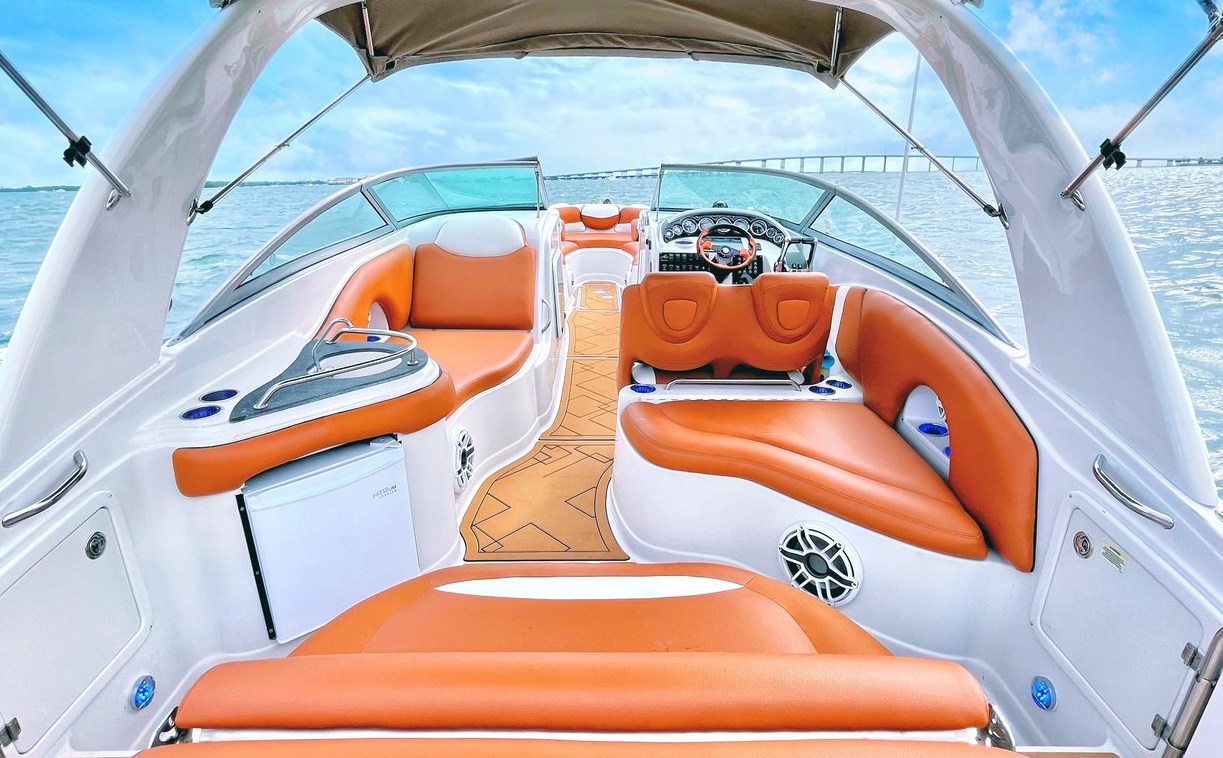
What It Means to Recover Boat Seats
To recover boat seats means replacing worn upholstery while keeping the original seat structure intact. This approach allows owners to restore comfort without replacing entire seating systems.
The process typically focuses on:
- Removing damaged surface materials
- Inspecting foam and internal support
- Replacing or upgrading upholstery
- Ensuring proper fit and tension
This method is often more efficient and sustainable than full replacement.
Why Owners Choose Recovery Instead of Replacement
Seat recovery has gained popularity for several practical reasons. Many boats are built with solid seating frames that last for decades. Upholstery, however, wears out much faster.
Recovering seats allows owners to:
- Extend the life of existing seating
- Improve comfort and support
- Update interior appearance
- Reduce unnecessary waste
For many, it strikes a balance between cost, quality, and practicality.
Materials Matter More Than Ever
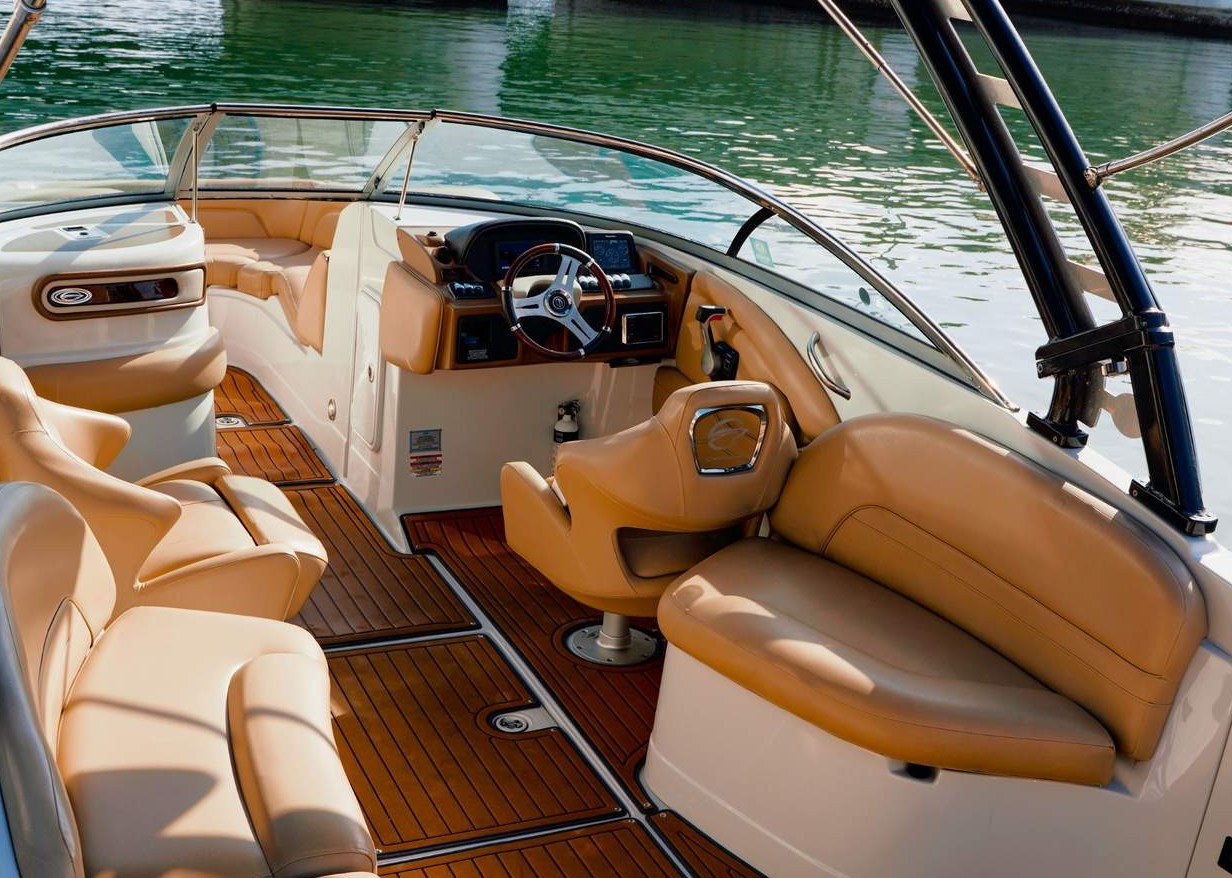
Modern marine materials are far more advanced than those used years ago. This has changed how seat recovery is approached.
Professionals often work with materials that offer:
- UV resistance for prolonged sun exposure
- Moisture control to handle humidity and splashes
- Surfaces that remain cool and comfortable
- Foam designed to maintain shape over time
These improvements make recovered seats feel noticeably better than older originals.
Comfort and Safety Go Hand in Hand
Comfort is not just about relaxation. On a moving vessel, seating stability supports safety. Proper cushioning helps passengers stay balanced and reduces fatigue during longer trips.
Recovered seats that are properly fitted offer:
- Better body support
- Improved seating posture
- Reduced sliding during movement
These benefits are especially important in rougher conditions or during extended cruising.
Maintenance After Seat Recovery
Once seats are restored, simple maintenance helps preserve results. Most modern marine upholstery is designed to be easy to care for.
Recommended practices include:
- Rinsing seats after saltwater exposure
- Cleaning with mild soap and water
- Avoiding harsh cleaners
- Allowing full drying before storage
These habits help maintain comfort and appearance over time.
Why This Topic Fits a News Perspective
The growing interest in recovering boat seats reflects larger trends in travel and recreation. People are investing more in experiences rather than constant replacement. Restoration and smart upgrades are becoming part of sustainable boating discussions.
As boats serve as social spaces, work environments, and travel platforms, interior comfort naturally attracts more attention in news coverage.
Conclusion
To recover boat seats is no longer seen as a minor repair but as a meaningful upgrade. It improves comfort, extends usability, and aligns with modern expectations for life on the water. As boating culture continues to evolve, seating restoration remains one of the simplest ways to enhance the overall experience without major structural changes.